Source Deep Numb Tattoo Numbing Cream for Artists, Clients, and Studios
Find and compare 30 listings for deep numb tattoo numbing cream from Chinese manufacturers. Options include 10g and 500g formats with lidocaine or herbal ingredients, supporting private labeling and dropshipping for cosmetic and body art applications.
Key considerations
Products List


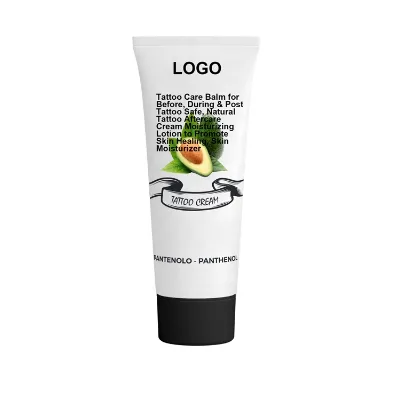


Comprehensive Sourcing Guide
Deep Numb Tattoo Numbing Cream Sourcing Guide
Sourcing topical anesthetics for tattooing requires a disciplined approach that balances immediate pain management efficacy with strict safety protocols. Buyers must recognize that these products fall under the broader category of body painting supplies and cosmetic applications, yet they serve a specialized function in professional body art. The market offers a variety of formulations, ranging from simple lidocaine-based creams to complex herbal blends, each presenting distinct procurement challenges. Understanding the specific composition and intended usage is the first step in mitigating risk and ensuring client satisfaction.
The procurement landscape for these items is characterized by significant variability in product models, packaging, and customization options. Suppliers often list multiple SKUs under generic names, requiring buyers to look beyond the product title to verify the actual active ingredients and concentration levels. This guide provides a structured framework for evaluating suppliers, verifying technical specifications, and establishing commercial terms that protect both the buyer and the end-user. By focusing on evidence-based verification steps, procurement teams can build a reliable supply chain for these sensitive cosmetic and medical-adjacent products.
Product Scope and Observed Listing Signals
The observed product listings reveal a diverse range of items categorized under body art and cosmetic supplies, with specific models identified such as Numb-04 and HDTPS0013. These products are typically packaged in boxes or express shipping containers, with standard weights ranging from 10g to 500g per unit. The presence of both small, single-use formats and larger bulk containers suggests that buyers should align their procurement strategy with their specific operational volume, whether serving individual artists or large-scale tattoo studios. The variability in packaging indicates that logistics and storage conditions must be carefully considered during the sourcing process.
Listing signals also highlight a strong emphasis on customization, with many suppliers offering private label services and custom branding options. Attributes such as "Custom Brands," "Custom Smells," and "Custom Sizes" are frequently observed, indicating that many buyers are looking to create proprietary product lines rather than sourcing generic off-the-shelf items. This trend requires procurement teams to engage with suppliers who have robust manufacturing capabilities and flexible production lines. Additionally, the mention of dropshipping availability suggests that some buyers may be operating e-commerce models that require direct-to-consumer fulfillment, adding another layer of complexity to supplier selection.
Technical Specifications to Verify
Verification of the active ingredient is the most critical technical step in sourcing numbing creams. While some listings explicitly state Lidocaine as the composition, others list complex herbal blends containing ingredients like Vitamin C, Glycerine, Collagen, and various essential oils. Buyers must demand clear disclosure of the primary anesthetic agent and its concentration percentage, as efficacy and safety profiles vary significantly between synthetic anesthetics and natural alternatives. The distinction between a pure anesthetic cream and a moisturizing aftercare balm is also crucial, as some products listed combine healing properties with numbing effects, which may dilute the primary pain-relieving function.
Packaging integrity and material compatibility are equally important technical considerations. The observed materials include aluminum and various box packings, which must be evaluated for their ability to preserve the stability of the active ingredients. Lidocaine and other anesthetics can be sensitive to light, heat, and air exposure, so the barrier properties of the packaging are vital for maintaining product potency throughout the supply chain. Buyers should verify that the packaging design prevents leakage and contamination, especially for products intended for use in tattoo studios where hygiene standards are paramount. The observed standard of 500g/bottle or 10g/pcs should be cross-referenced with the supplier’s actual manufacturing capabilities to ensure consistency.
Compliance and Safety Documentation
Regulatory compliance for topical anesthetics varies significantly by jurisdiction, and buyers must ensure that their suppliers adhere to the relevant standards in their target markets. In many regions, products containing lidocaine may be classified as medical devices or over-the-counter drugs, requiring specific registration and labeling approvals. Buyers should request documentation that confirms the product’s legal status in the destination country, including any necessary certificates of analysis (COA) or safety data sheets (SDS). Without proper compliance documentation, shipments can be seized by customs, leading to significant financial losses and supply chain disruptions.
Safety testing and quality assurance protocols are essential components of the compliance framework. Buyers should verify that suppliers conduct rigorous testing for heavy metals, microbial contamination, and ingredient purity, particularly for products marketed as herbal or organic. The observed ingredients list includes a wide array of botanical extracts, which can introduce variability in quality and potential allergens. Suppliers should provide evidence of batch-to-batch consistency and stability testing to ensure that the product remains effective and safe over its shelf life. Additionally, buyers should inquire about the supplier’s quality management systems, such as ISO certifications, to gauge their overall commitment to product safety.
Cost Drivers and Commercial Terms
The cost structure for numbing creams is influenced by several factors, including the concentration of active ingredients, packaging complexity, and customization requirements. Products with higher concentrations of lidocaine or those featuring premium packaging materials will naturally command higher prices. The observed price range of 0.69 to 80 USD reflects this variability, with lower prices likely corresponding to basic formulations or bulk quantities, and higher prices associated with specialized, branded, or small-packaged items. Buyers should analyze the cost per unit weight or volume to ensure accurate comparisons between different suppliers and product types.
Commercial terms such as MOQ, lead times, and payment conditions play a significant role in the total cost of ownership. The observed MOQ range of 1 to 1000 pieces allows for flexibility, but buyers should be aware that lower MOQs may come with higher unit costs. Lead times of 20-25 days are common for customized orders, which requires careful inventory planning to avoid stockouts. Buyers should also consider the implications of sales terms like EXW, FOB, and DDP, as these determine who bears the risk and cost of transportation. Understanding these terms is essential for accurate budgeting and risk management in the procurement process.
Supplier Qualification and Quality Control
Supplier qualification begins with a thorough assessment of their manufacturing capabilities and quality control processes. Buyers should verify the supplier’s location, with many observed products originating from Guangdong, China, a major hub for cosmetic and body art supplies. This geographic concentration can offer advantages in terms of supply chain efficiency but also requires due diligence to ensure that the supplier meets international quality standards. Buyers should request facility audits or third-party inspection reports to verify that the manufacturing environment is clean, organized, and compliant with good manufacturing practices (GMP).
Quality control measures should be integrated into the procurement contract to ensure ongoing product consistency. Buyers should establish clear acceptance criteria for incoming shipments, including visual inspections, weight checks, and random sampling for laboratory testing. The observed feature of "High Quality" in listings is a marketing claim that must be substantiated by objective data. Buyers should implement a robust incoming quality control (IQC) process to detect any deviations from the agreed-upon specifications. Additionally, establishing a clear communication channel with the supplier for addressing quality issues is essential for maintaining a reliable supply chain.
Long-Term Procurement Checks
Long-term procurement success depends on continuous monitoring of supplier performance and market trends. Buyers should regularly review supplier delivery times, product quality, and responsiveness to issues to ensure that they remain reliable partners. The dynamic nature of the cosmetic and body art industry means that formulations and regulations may change, requiring buyers to stay informed about new developments and adjust their sourcing strategies accordingly. Regular supplier audits and performance reviews are essential for maintaining high standards and identifying potential risks early.
Building a diversified supplier base is a key strategy for mitigating supply chain risks. Relying on a single supplier can expose buyers to disruptions caused by production delays, quality issues, or geopolitical factors. By qualifying multiple suppliers, buyers can ensure continuity of supply and leverage competition to maintain favorable pricing and service levels. Additionally, buyers should invest in building strong relationships with their suppliers, fostering collaboration and innovation. This long-term approach to procurement not only secures the supply of essential products but also drives continuous improvement and value creation for the business.
FAQs
What is the main ingredient in the deep numb tattoo numbing cream?
The main ingredient is Lidocaine, which provides effective topical anesthesia for tattoo procedures. This cream is formulated specifically for cosmetic and body art applications to ensure comfort during the process.
Can I get custom branding for the numbing cream products?
Yes, customization is available for private label tattoo healing moisturizer creams and numbing products. Buyers can request custom brands, custom smells, and custom sizes to meet specific business requirements.
What are the available packaging options for the numbing cream?
Products are available in various packaging formats including boxes, express delivery packs, and box packing. The standard specifications include 10g per piece or 500g per bottle depending on the specific model selected.
How long is the delivery time for these tattoo supplies?
The standard delivery time is 20 to 25 days for orders placed. This lead time applies to the supply of topical anesthetics and aftercare creams originating from Guangdong, China.
Which target areas can this numbing cream be applied to?
The cream is suitable for application on lips, hands, legs, arms, body, eyes, face, bikini areas, eyebrows, and tattoo areas. It is designed for versatile use across multiple skin care and body art needs.
What is the minimum order quantity for the numbing cream?
The minimum order quantity varies by product, ranging from 1 piece to 1000 pieces. Some specific models require a minimum of 1000 pieces, while others allow for smaller trial orders.
Are the numbing creams disposable or reusable?
The products listed are non-disposable items intended for repeated use in professional settings. They are packaged in durable containers like aluminum or boxes to maintain product integrity during storage and transport.